Insight

Notes on inspection, standards and getting it right

Writing on how climbing walls are inspected, what the standards actually require, and the discipline of a report that says only what was done and observed — plus the occasional look through the lens.

Maintenance

How to maintain your climbing wall through inspections

A wall stays safe between full inspections through a rhythm of smaller checks, not just the annual visit. Daily: holds, wall surfaces, and the condition of safety gear. Weekly: fixings, fasteners, and wear on the routes themselves. Monthly: a deeper look — pest checks, and the crash mats, since foam cells decompress over time and lose their ability to absorb impact properly.

Damaged holds get replaced and routes get refreshed before wear becomes a hazard rather than just cosmetic. And when something turns up that's past in-house judgement, that's what a professional inspection is for. Regular maintenance doesn't just extend the life of the wall — it's what makes the climbing on it worth having.

Read the piece →

Equipment

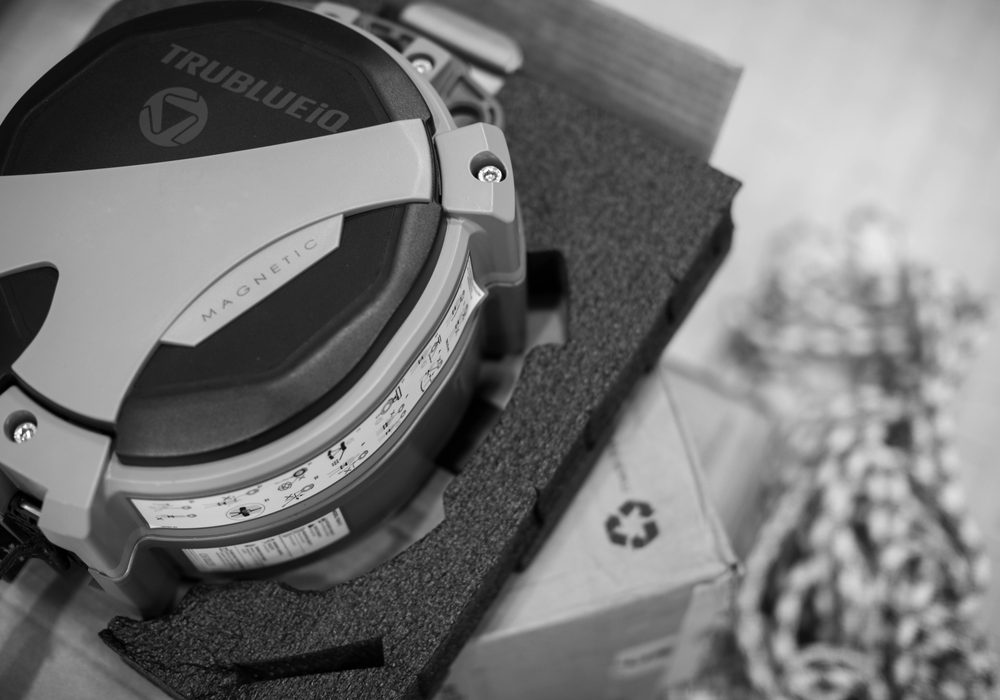
Auto belay devices and the risk nobody clips for

Auto belays let climbers go solo without a partner — which is exactly where the danger sits. Most incidents trace back to one thing: not clipping in. The fix isn't a better warning sign, it's a habit — a pre-climb ritual that makes the moment of committing to the wall impossible to skip. Check in before you check out.

Aug 2024
PPE

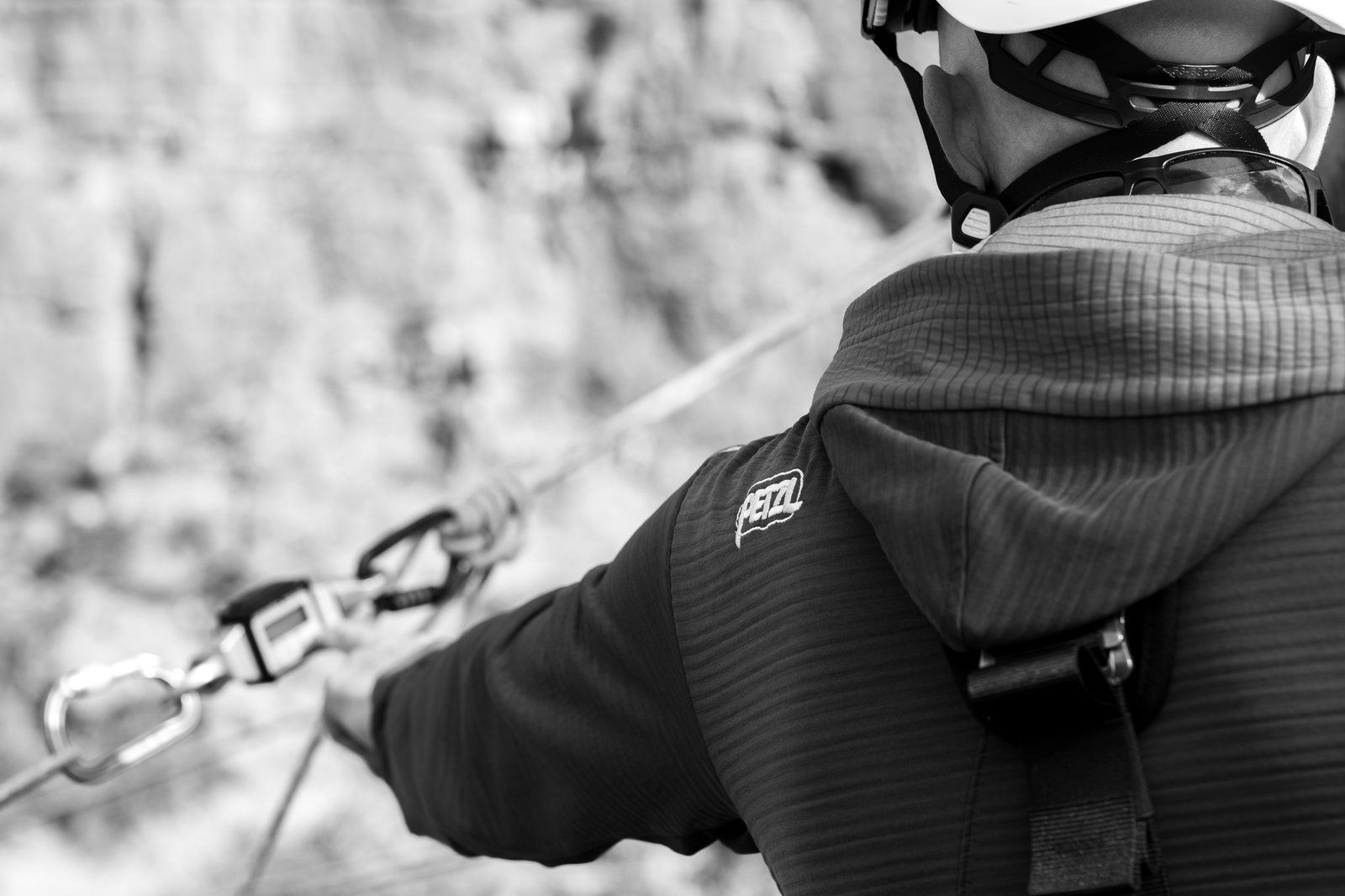
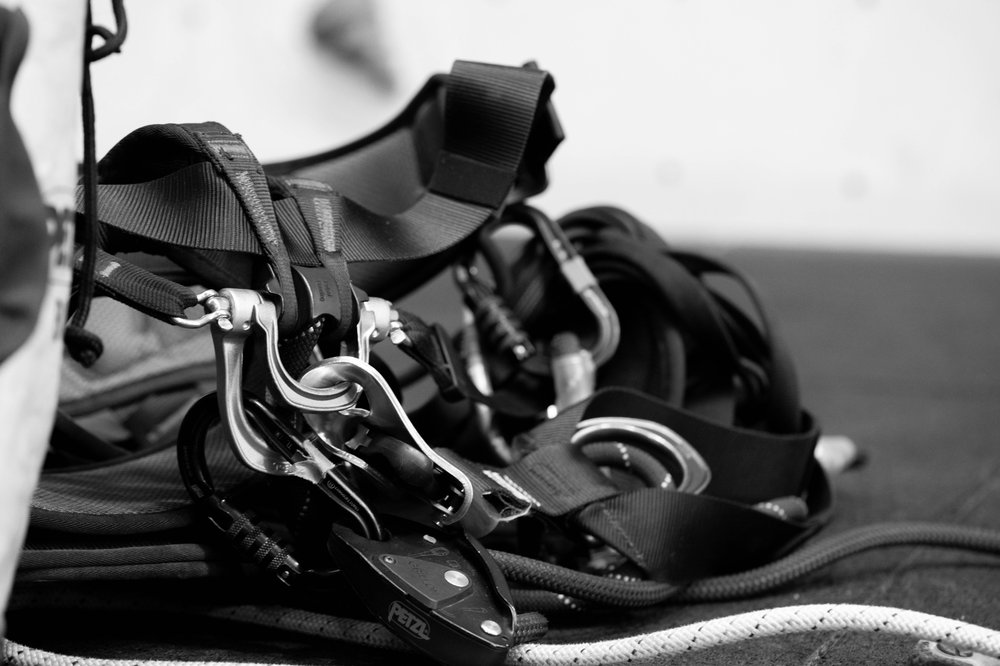
PPE is the last line, not the first

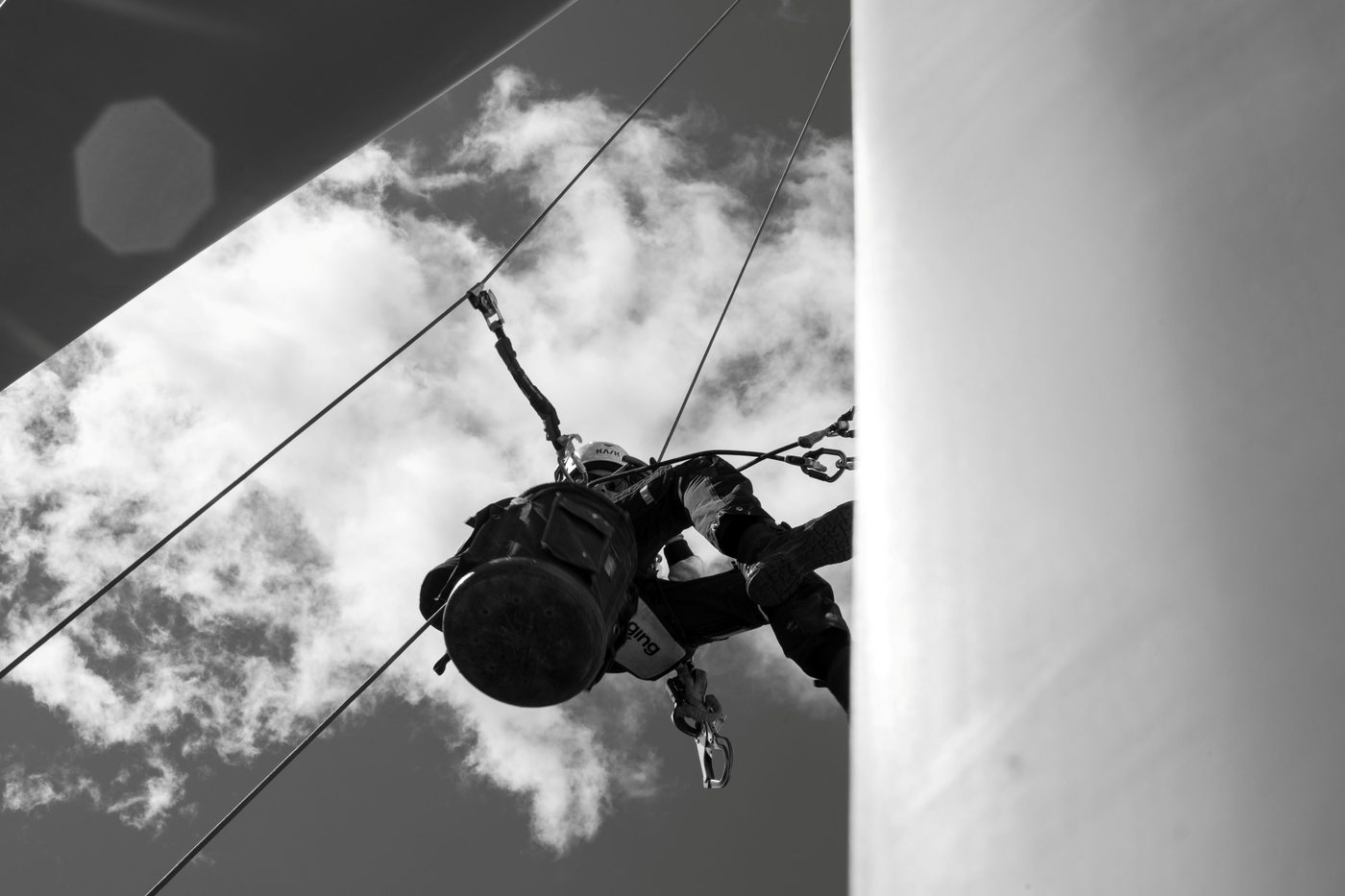
Personal protective equipment sits at the bottom of the hierarchy of protection — everything else (engineering, procedure, collective controls) is meant to be exhausted first. What good PPE does beyond that baseline is extend reach: to a turbine blade, a cliff face, a climbing wall thirty feet up. Familiarity with the kit, not just ownership of it, is what makes it trustworthy.

Feb 2025

Industry

Rope access technicians

Riggers, abseilers, industrial climbers — different names for the same method: moving on rope to reach what would otherwise need scaffolding or a cherry picker. IRATA, the trade body, was founded in 1987 and now has over 200,000 technicians on its register — still a small trade, relative to what it does.

Nov 2024

Wind & rope access

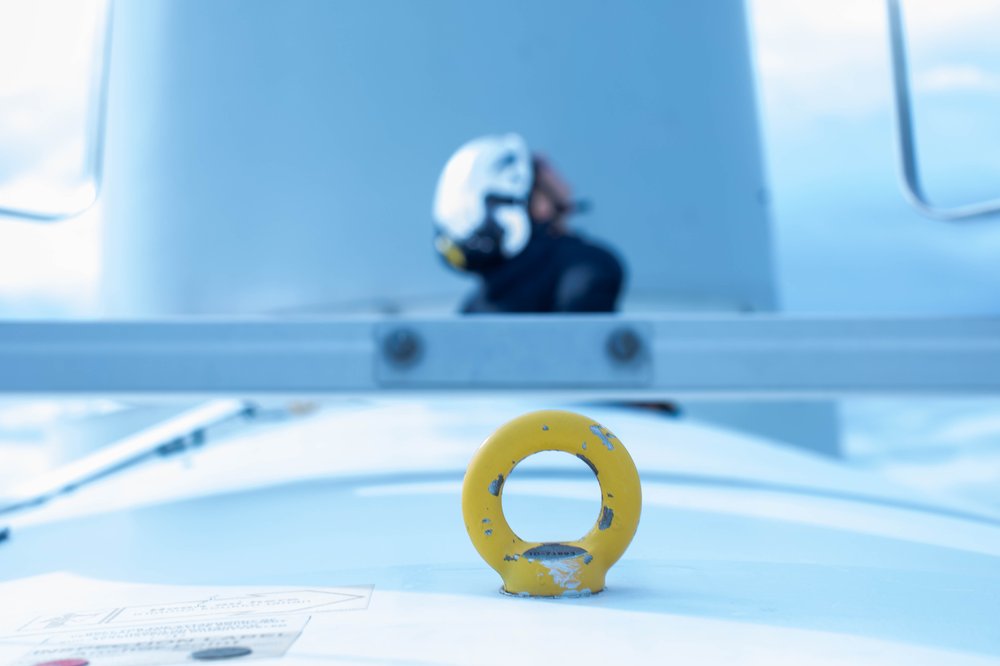
Blade repair technicians

Rotor blades are composite — fibreglass, a foam or balsa core, resin — strong and flexible, but vulnerable to erosion and lightning strikes. Repairing them at height, on rope, through a UK repair season that runs roughly April to October, is demanding, specialist work — and the same discipline that goes into every climbing wall inspection.

Nov 2024

Industry

Rope access CPD

Formal certification is a floor, not a ceiling. The IRATA syllabus gives a trusted, consistent framework — but it can't teach everything, so the rest comes from accumulated experience: rigging problems solved, rescues rehearsed, knowledge picked up from colleagues and mentors along the way. It builds like a snowball. Eventually, the job is to pass it on.

Jan 2026