 Bluco Projects
What “competent person” means for a climbing wall inspection
"Competent person" is one of the most quietly expensive phrases in health and safety, because almost nobody defines it for you and everybody assumes they have met it.
BS EN 12572 says the main inspection should be carried out by competent persons, working strictly to the manufacturer's instructions. It adds only that the level of competence needed will vary with the task. That is the whole of it. No qualification is named. No register is specified.
So competence is not a certificate you buy. It is training, knowledge and experience together. And it includes the part that gets missed: being able to recognise where your own competence stops, and saying so.
For a climbing wall that comes down to a few plain things. Being able to reach every part of the structure, safely, and look at it up close. Knowing the part of the standard the wall was built to. Having read the manufacturer's instructions for that wall, or being clear that there are none to read. And writing down what could not be inspected as carefully as what could.
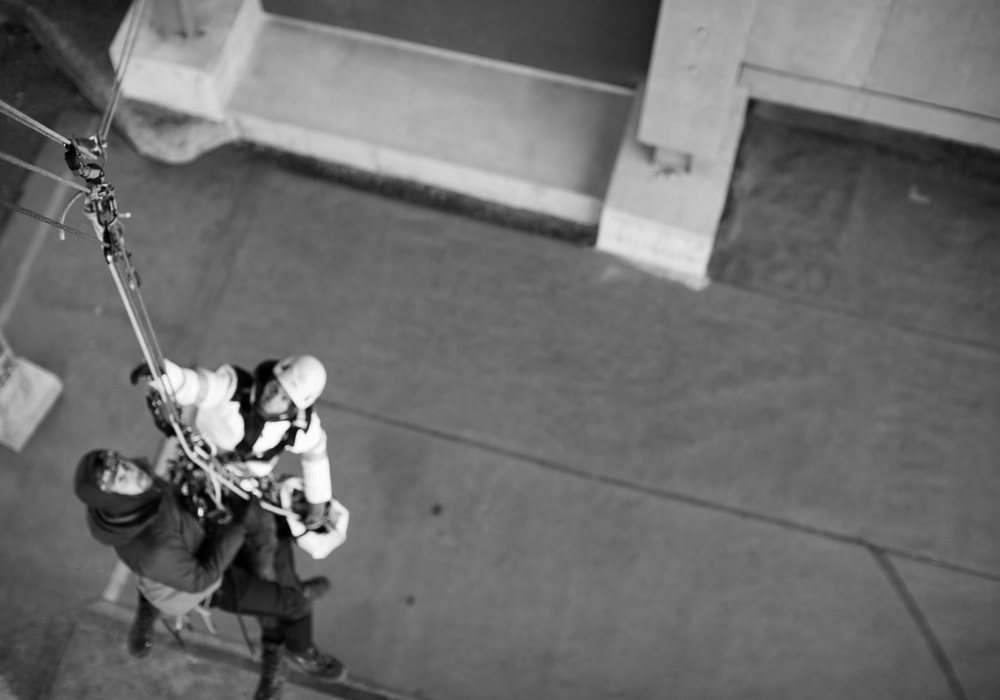
It is worth separating two of those. A rope access qualification is what gets an inspector to the top of the wall. It does not make them an inspector. Access is one competence and inspection is another, and a main inspection needs both.
The next part is our position, not a clause. The standard does not require the inspector to be independent of the people who run the wall. We think they should be.
Your head setter may well know your wall better than anyone. That is exactly why they are the wrong person to sign off its condition. They installed some of it. They have views on which problems matter. They report to the person whose budget the remedial work comes out of. None of that makes them dishonest. It makes them not independent, and independence is a structural property, not a character reference.
If you are responsible for a wall, the useful question is not whether you had an inspection. It is this: if the inspection were ever examined, could you show why the person who signed it was competent to?
Three things you can ask any inspector before they start, and none of them is awkward. How will you reach the top of the wall? Which edition of the standard will you inspect against? And what will your report say about the parts you could not see?
Our free seven-page guide sets out what BS EN 12572 actually asks of the person responsible for a climbing wall — and what it does not: get the guide.